How Much Does a Sleep Apnea Oral Appliance Cost in 2026?
How Much Does a Sleep Apnea Oral Appliance Cost in 2026?
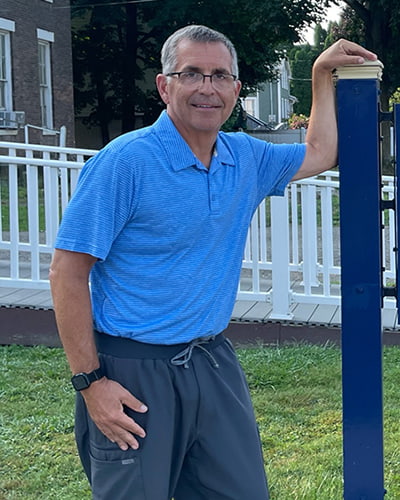
Medically reviewed by Dr. James C. Vogler, DDS, FAGD — Last updated April 20, 2026
You’ve been told a dental sleep appliance could change your life, but no one will give you a straight answer on what it costs. Your dentist says “insurance covers most of it.” Your insurance card says “dental appliance — not covered.” The internet shows prices from $40 on Amazon to $4,000 at a specialty clinic. So what’s the real number?
In 2026, a custom, FDA-cleared oral appliance fabricated by a dental sleep medicine provider typically costs $1,800 to $2,500 before insurance. With a documented obstructive sleep apnea (OSA) diagnosis and medical insurance approval, most patients pay only a fraction of that out of pocket. This guide breaks down what drives the price up and down, what insurance usually covers, and how to estimate your real out-of-pocket cost.
For personalized pricing at A Smile By Design in Dansville, NY, call (585) 335-2120 or request an appointment.
The full cost range at a glance
| Device type | Typical cost | Covered by insurance? |
|---|---|---|
| Custom FDA-cleared oral appliance (in-office) | $1,800–$2,500 | Yes, usually medical insurance |
| Custom appliance + required sleep study | $2,500–$3,500 total | Sleep study separately billed |
| Over-the-counter “boil-and-bite” mouthpiece | $40–$200 | Not usually covered |
| Replacement appliance (3–5 years later) | $1,800–$2,500 | Yes, at replacement interval |
Most patients with a diagnosis and decent medical coverage pay $0–$500 out of pocket after the deductible is met — far less than the sticker price.
What drives the price
Five factors determine the final number on your estimate.
1. The appliance design
Not all custom oral appliances are the same. The American Academy of Dental Sleep Medicine recognizes several FDA-cleared designs — SomnoDent, Herbst, TAP, and others — each with different materials, adjustability mechanisms, and price points. Dual-laminate devices with precise titration hardware typically cost more than simpler one-piece designs but often fit better and last longer.
2. Whether you’ve already had a sleep study
A formal OSA diagnosis requires a sleep study, either in a sleep lab (polysomnography, ~$1,000–$3,000) or a home sleep test (HST, ~$200–$500). If you haven’t had one, factor it into your total cost. Your medical insurance usually covers a medically-ordered sleep study — but the billing is separate from the appliance.
3. Titration and follow-up visits
Oral appliances aren’t “fit once and forget.” Over 6–12 weeks, your dentist gradually adjusts the jaw position to optimize results. Most treatment plans include 2–4 follow-up visits in the base price, but some offices bill these separately. Ask up front.
4. Your insurance plan and deductible
Oral appliance therapy is classified as durable medical equipment (DME) and billed to medical — not dental — insurance. Your out-of-pocket cost depends on:
– Whether you’ve met your annual deductible (or separate DME deductible)
– Whether the provider is in-network
– Any coinsurance percentage after deductible
– Whether prior authorization is required
For a full breakdown of how insurance works, read Is a Sleep Apnea Oral Appliance Covered by Insurance?.
5. Whether you’re self-pay
If you don’t qualify for a medical diagnosis (for example, you have snoring without apnea) or you want to skip the insurance process, expect to pay the full cost. Most practices, including ours, offer CareCredit or in-house financing.
Custom vs. over-the-counter: why the $40 option usually fails
Online retailers sell “boil-and-bite” mouthpieces for $40 to $200. They look similar, and the marketing is compelling. Here’s what you’re actually comparing:
Custom appliance:
– Precision-scanned to your exact dental anatomy
– Adjustable jaw position (titration)
– FDA-cleared for sleep apnea treatment
– Durable materials (3–5 year lifespan)
– Supervised by a dentist
– Insurance eligible
Boil-and-bite:
– One-size-fits-most bite impression
– Fixed jaw position (no titration)
– Most are FDA-cleared for snoring only, not sleep apnea
– Softer materials wear faster
– No professional oversight
– Not covered by insurance
Harvard Health notes that while over-the-counter devices may reduce mild snoring, they’re not a substitute for custom-fitted appliances when sleep apnea is diagnosed — and forcing an ill-fitting device can cause jaw soreness, bite changes, and loose dental work.
What to expect out of pocket
Here’s what a typical patient at A Smile By Design pays when everything is in order:
| Scenario | Estimated out-of-pocket |
|---|---|
| Diagnosis already done, in-network medical coverage, deductible met | $0–$300 |
| Diagnosis already done, deductible not yet met | $300–$1,000 |
| Need sleep study + appliance, insurance in-network | $600–$1,500 total |
| Self-pay (no insurance filing) | $1,800–$2,500 |
| Self-pay + financing via CareCredit | Monthly payments from ~$75 |
We verify your specific benefits before treatment and give you an itemized written estimate. No surprises.
A real patient scenario
Consider a typical case. A 52-year-old Dansville-area patient comes in after two years of loud snoring and a recent sleep study showing an AHI of 18 — moderate obstructive sleep apnea. Her husband is on the verge of moving to the guest room, and she can’t stand the idea of sleeping with a CPAP mask.
Her total estimated cost before insurance: $2,250 for the appliance, $420 for the home sleep test (billed separately to her medical plan), and two follow-up titration visits included in the base price. With her Blue Cross PPO, medical DME is covered at 80% after a $500 deductible she had not yet met.
Her final out-of-pocket total: $500 deductible + $450 coinsurance = $950. Spread across the appliance’s expected five-year lifespan, that works out to about $16 per month — less than a basic gym membership and comfortably below most monthly coffee habits.
Every patient is different. We verify benefits and build a written estimate before any treatment starts, so there are never surprises.
The cost of not treating sleep apnea
Untreated obstructive sleep apnea has a financial cost most people never calculate. According to the National Heart, Lung, and Blood Institute, untreated OSA is linked to:
- Higher rates of hypertension, stroke, atrial fibrillation, and heart disease
- Type 2 diabetes and insulin resistance
- Workplace productivity losses estimated at $86 billion per year in the United States by the American Academy of Sleep Medicine
- Higher auto-insurance premiums after drowsy-driving incidents
- Increased prescription spending on blood-pressure and cardiac medications
- Sleep-deprivation-related absenteeism and reduced job performance
Put bluntly: a $500–$1,000 out-of-pocket investment in an oral appliance — a device that typically lasts three to five years — is usually far cheaper than a single emergency-room visit for an OSA-related cardiovascular event. The long-term economic math almost always favors treatment. Sleeping better also tends to show up in lower medical spending over time, not just better mornings.
Financing options when insurance falls short
If your insurance denies coverage, your deductible is a long way from met, or you’re paying fully out of pocket, A Smile By Design works with several financing tools that spread the cost over time:
- CareCredit: medical financing with promotional 0% APR on plans paid within 6 to 24 months. The application takes a few minutes and runs a soft credit pull.
- In-house payment plans: split the appliance cost across three to six monthly installments with no interest.
- HSA and FSA accounts: a custom sleep appliance prescribed for diagnosed OSA is an eligible expense, so you can pay with pre-tax dollars.
- Medical credit cards: several issuers offer promotional medical-financing terms similar to CareCredit.
- Employer benefits: some employer wellness programs reimburse a portion of sleep-apnea treatment — worth asking HR before you commit.
Our front-desk team walks every patient through the available options at the consultation. If one financing path doesn’t work, we’ll help you find one that does.
Questions to ask before you commit
Before you sign anything, ask any dental sleep provider these six questions:
- Is the appliance FDA-cleared for sleep apnea (not just snoring)?
- Which device design do you recommend for my case, and why?
- What’s included in the base price — fitting, titration, follow-up, sleep study verification?
- Do you bill medical insurance directly, or do I file for reimbursement?
- What’s your process if the appliance doesn’t fully control my OSA?
- What does a replacement cost in 3–5 years?
Any reputable provider will answer these in writing.
Frequently asked questions
Does dental insurance cover the oral appliance?
Usually no. Oral appliances for diagnosed sleep apnea are billed to medical insurance as durable medical equipment (DME). Most dental insurance plans consider these devices outside their scope.
Will Medicare pay for a sleep apnea mouthpiece?
Yes, Medicare has covered qualifying FDA-cleared oral appliances since 2011 when prescribed for diagnosed OSA. The appliance must come from a Medicare-approved DME supplier with documentation from a sleep physician.
How long does an appliance last?
A well-maintained custom oral appliance typically lasts three to five years. Most medical insurance plans cover replacement at that interval as long as the OSA diagnosis is still active.
Are there cheaper alternatives to oral appliances?
Positional therapy, weight loss, and certain surgeries can reduce OSA severity, but none are universally effective. A $40 online mouthpiece is not an equivalent alternative — it’s a snoring device, not a medical treatment.
What if I lose or break my appliance?
Replacement costs vary. Some practices offer a lost-or-broken warranty; most do not. Ask about this up front. A lost appliance in year two typically costs full price because insurance usually won’t replace early.
Ready to see what your actual cost will be?
The only way to know what a sleep apnea oral appliance will cost you is a consultation with benefits verified. We’ll run your insurance before treatment starts and give you a written estimate — zero obligation.
Call (585) 335-2120 or request an appointment online. Dr. Vogler will evaluate whether oral appliance therapy is right for your case and walk you through every line item.
For more on how sleep apnea treatment works at our Dansville office, see our sleep apnea treatment overview.
A Smile By Design
64 Elizabeth Street, Dansville, NY 14437
This article is for educational purposes and is not a substitute for evaluation by a licensed dentist or sleep physician. Pricing examples are typical ranges, not quotes. Individual cost and insurance benefits vary.