Is a Sleep Apnea Oral Appliance Covered by Insurance?
Is a Sleep Apnea Oral Appliance Covered by Insurance?
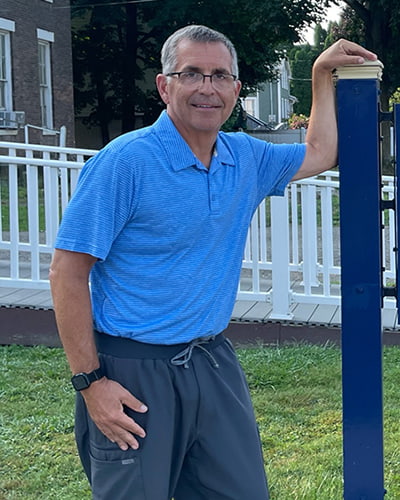
Medically reviewed by Dr. James C. Vogler, DDS, FAGD — Last updated April 20, 2026
You call your dental insurance. They say, “That sounds like a medical device — not our department.” You call your medical insurance. They say, “Isn’t that a dental thing?” Meanwhile, you’re still not sleeping.
Here’s the short answer: oral appliance therapy for diagnosed obstructive sleep apnea (OSA) is almost always billed to your medical insurance, not your dental plan. Most major medical plans — including Medicare — cover part or all of the appliance when you meet a few specific requirements. This guide walks through exactly how that works, what you need from your doctor, and how to avoid the most common denials.
For help verifying your specific benefits, call A Smile By Design in Dansville, NY at (585) 335-2120.
Why medical insurance — not dental — pays for oral appliances
Insurance companies classify custom sleep apnea oral appliances as durable medical equipment (DME), the same category as CPAP machines, wheelchairs, and oxygen concentrators. Because DME is medical equipment prescribed to treat a medical condition, it falls under your medical policy, not your dental plan.
Dental insurance typically only covers devices that treat dental conditions — cavities, missing teeth, bite correction. Sleep apnea is a medical condition, so even though the device is made by a dentist and fits over your teeth, it’s paid for through medical coverage.
That’s been the standard since Medicare first began reimbursing oral appliance therapy in 2011. Most private insurers followed, and today virtually every major medical plan covers DME sleep apnea appliances to some degree.
What your insurance needs from you
Before a custom oral appliance can be billed to medical insurance, three things must be in place:
1. A formal sleep apnea diagnosis
This has to come from a board-certified sleep physician — not your dentist. The diagnosis is based on a sleep study (either in-lab polysomnography or a home sleep test) showing an Apnea-Hypopnea Index (AHI) of 5 or higher. Without this diagnosis, insurance won’t cover the appliance as a medical device.
2. A prescription for oral appliance therapy
Your sleep physician writes a prescription stating that oral appliance therapy is medically necessary. This is especially important for moderate-to-severe cases, where CPAP is usually considered first-line. Most insurers want documentation that either (a) CPAP was tried and not tolerated, or (b) the patient prefers oral appliance therapy as an appropriate first-line option per AASM guidelines.
3. A dentist trained in dental sleep medicine
The dentist making your appliance needs to be credentialed as a DME provider in your insurance network, or you’ll file for out-of-network reimbursement. At A Smile By Design, we verify your benefits and handle most of this paperwork on your behalf.
How Medicare covers oral appliance therapy
Medicare has covered qualifying oral appliances as DME since 2011 under these conditions:
- Diagnosis: A documented sleep study showing OSA (AHI ≥ 15, or AHI 5–14 with specific symptoms like excessive daytime sleepiness, hypertension, or cardiovascular disease)
- Device: FDA-cleared, custom-fabricated, and provided by a Medicare-approved DME supplier
- Prescription: A face-to-face evaluation and prescription from a qualified physician
- Compliance: Periodic follow-up to confirm the appliance is working
Medicare Part B typically covers 80% of the approved amount after you’ve met your Part B deductible. Medicare Supplement (Medigap) plans can cover the remaining 20%.
For full details, the CMS.gov DME coverage page has the current policy.
What about private medical insurance?
Coverage varies by plan, but most major insurers follow similar rules:
| Plan type | Typical coverage |
|---|---|
| Large employer HMO/PPO | 70–100% after DME deductible |
| Small employer / ACA marketplace | Varies — 50–90% typical |
| Medicare Advantage | Similar to traditional Medicare |
| High-deductible plans with HSA | Usually covered after deductible |
| Short-term or catastrophic plans | Often not covered |
Common coverage variations:
– Some plans require pre-authorization (paperwork sent before treatment starts)
– Some require documentation of CPAP failure before approving an appliance
– Some have a separate DME deductible distinct from your medical deductible
– In-network providers always cost you less than out-of-network
What if I only have dental insurance?
If you don’t have active medical insurance, or you’ve been told by medical that the device isn’t covered, a few dental plans will pay a small portion of the cost — usually as a standard dental benefit rather than under any specific sleep apnea provision. Don’t count on it, though. The vast majority of patients pay out of pocket in this scenario.
For a full breakdown of costs in this situation, see our guide on sleep apnea oral appliance cost.
Common denial reasons — and how to appeal
About 1 in 4 initial oral appliance claims gets denied. The good news: denials are usually correctable. Here are the common reasons and fixes.
Denial: “No formal OSA diagnosis on file”
→ Submit the sleep study report and physician diagnosis letter.
Denial: “Service not medically necessary”
→ Submit supporting documentation: CPAP trial notes, patient statement of intolerance, physician letter of medical necessity.
Denial: “Out-of-network provider”
→ Ask the insurer for in-network options, or file for out-of-network reimbursement. Some plans apply a partial benefit even out-of-network.
Denial: “Prior authorization not obtained”
→ Request retrospective authorization with full documentation. Many plans allow this within 30 days.
Denial: “Device not FDA-cleared for OSA”
→ Provide the manufacturer’s FDA 510(k) clearance letter. Any reputable dental sleep provider has this on file.
Our team handles appeal paperwork for our patients at no additional charge.
How to verify your benefits before treatment
You can call your insurance yourself and ask these questions, or we can do it for you:
- Is durable medical equipment (DME) covered under my plan?
- Is a custom oral appliance for obstructive sleep apnea covered under HCPCS code E0486 (the standard code)?
- Is prior authorization required?
- What is my DME deductible, and have I met it?
- What coinsurance percentage applies after deductible?
- Is [your dentist’s practice] in-network for DME?
- Is there an annual or lifetime benefit limit for DME?
Write the answers down along with the date and the rep’s name. That record protects you if coverage changes or gets miscoded later.
Frequently asked questions
Is a sleep apnea mouthpiece covered by insurance?
Yes — for a diagnosed OSA case, most major medical insurance plans cover custom FDA-cleared oral appliances as durable medical equipment. Dental insurance typically does not cover these devices.
Does Medicare cover oral appliances for sleep apnea?
Yes. Medicare has covered qualifying oral appliances since 2011 for patients with a documented OSA diagnosis. Medicare Part B typically pays 80% of the approved amount after the deductible.
Do I need to try CPAP first to get insurance coverage?
Not always. The AASM recognizes oral appliance therapy as first-line treatment for mild-to-moderate OSA. Severe cases often require documented CPAP intolerance before insurers approve an appliance.
Can I use my HSA or FSA for an oral appliance?
Yes. A custom sleep apnea oral appliance prescribed for a medical condition is an HSA/FSA eligible expense.
How long does insurance approval take?
Usually 7–14 business days for verification and prior authorization. Sleep study results and physician prescription must be submitted first.
Let us handle the paperwork
Insurance billing for oral appliance therapy is confusing by design — there’s no reason you should have to navigate it alone. Our team at A Smile By Design verifies your specific benefits, coordinates with your sleep physician, submits prior auth, and appeals denials on your behalf. We’ve done it hundreds of times.
Call (585) 335-2120 or request an appointment online. Bring your medical insurance card and any sleep study results. We’ll take it from there.
For the complete treatment overview, see our sleep apnea treatment page.
A Smile By Design
64 Elizabeth Street, Dansville, NY 14437
This article is for educational purposes only. Insurance policies and coverage vary by plan and state. Confirm current benefits with your carrier before treatment.